In Melbourne’s corporate world, first impressions are formed long before you walk into a boardroom. For many executives, the first and last touchpoint of any business day is their chauffeur‑driven car – from airport transfers and client meetings to dinners and events.
Understanding corporate chauffeur etiquette helps both executives and drivers work together smoothly. It ensures every trip is professional, efficient and comfortable, and that your transport reflects well on your personal brand and organisation.
Here’s a practical guide to the standards Melbourne’s top business leaders expect – and how services like ChauffeurTop deliver them.
1. Punctuality is non‑negotiable
For executives, time is money. Arriving late can damage credibility or derail a full day of meetings.
What executives should expect
The vehicle should arrive at least 5–10 minutes early at the pick‑up point.
For airport arrivals, the chauffeur should be waiting before you clear customs, with your name clearly displayed.
Drivers should factor in known traffic hotspots (West Gate, Bolte Bridge, Hoddle Street, Punt Road) and major events.
What helps from the passenger side
Be ready to depart at the agreed time, especially for airport runs.
Provide accurate luggage counts and pick‑up locations (e.g. specific foyer or entrance).
Share any last‑minute schedule changes with the chauffeur or dispatch as soon as they arise.
At ChauffeurTop, punctuality is treated as a core part of corporate etiquette, not a nice‑to‑have.
2. Professional presentation and vehicle standards
Executives expect their transport to match the standard of their office environment.
Chauffeur standards
Dress code: smart corporate attire – typically suit or blazer, polished shoes and neat grooming.
Vehicle: clean inside and out, temperature comfortable, no lingering odours, no clutter.
Driving style: smooth acceleration and braking, adherence to road rules, calm and confident behind the wheel.
Executive etiquette
Treat the vehicle like a professional space. Avoid messy food and strong‑smelling items.
If you spill something or damage the interior, let the chauffeur or office know promptly.
Keep shoes off seats and avoid slamming doors – it’s a shared working environment.
ChauffeurTop maintains a modern fleet of sedans, SUVs and people movers so that every arrival feels polished.
3. Seating etiquette and seniority
Where everyone sits can carry subtle meaning in corporate contexts, especially when hosting clients.
General guidelines
When hosting clients or VIPs, offer them the rear near‑side seat (behind the front passenger). It’s typically the most convenient and prestigious position.
The rear off‑side seat (behind the driver) is the next most senior spot.
If an executive assistant or junior staff member is travelling with a senior leader and a client, the EA usually takes the front passenger seat.
Solo travellers
If you’re alone, most executives sit:
Rear near‑side for maximum privacy and ease of getting in/out, or
Rear centre if using a laptop and wanting more space.
Your chauffeur will open the appropriate door and step back to allow you to enter without feeling rushed.
4. Luggage handling and assistance
Good chauffeurs know that executives are often juggling devices, presentations and carry‑on bags.
Chauffeur responsibilities
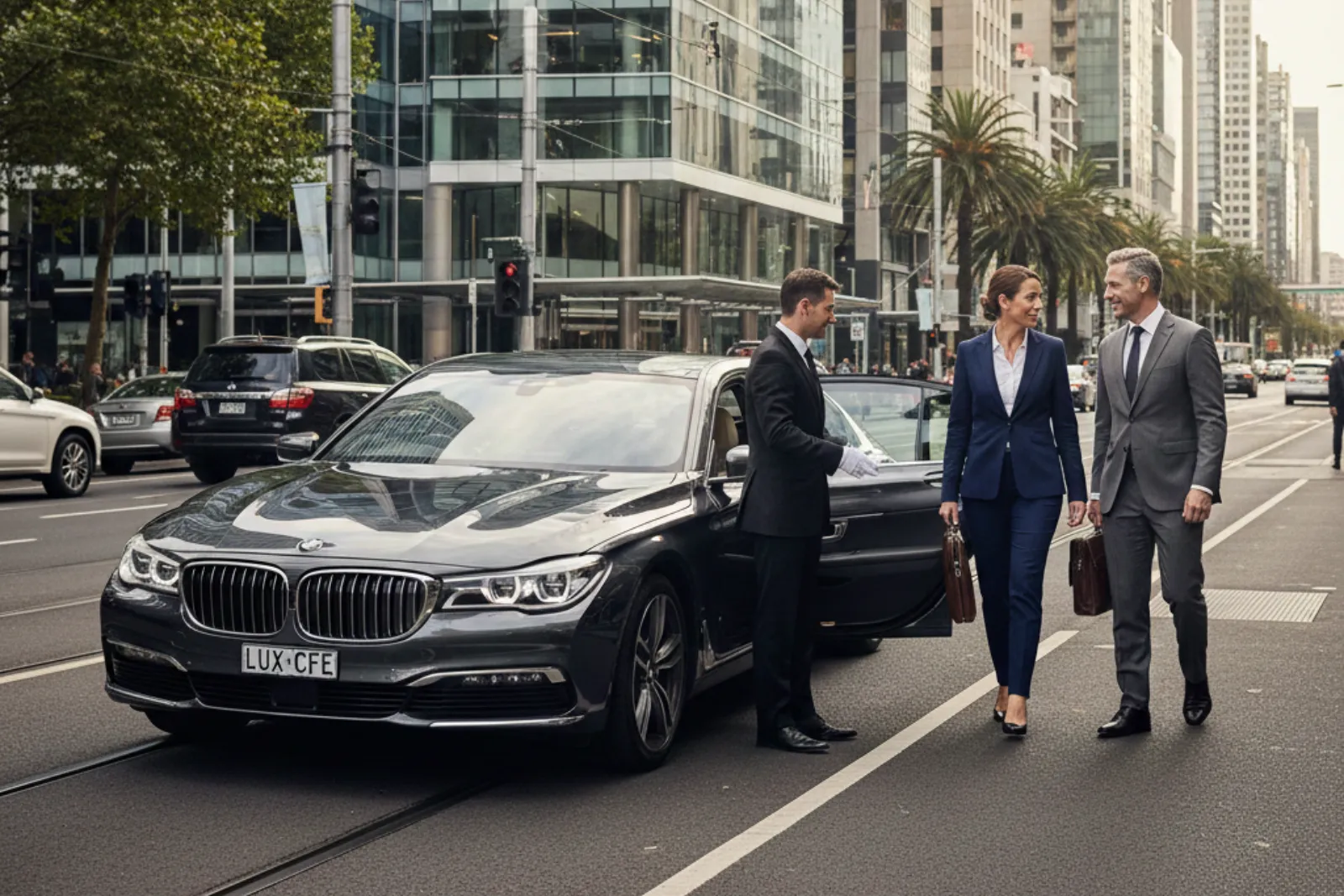
Greet the passenger, offer to take bags and load all luggage into the boot.
On arrival, unload bags and place them where the passenger can easily access them (kerb, trolley or reception area).
For VIPs or older passengers, be ready to steady the door or offer an arm when stepping out.
Executive expectations
Clearly indicate which bags are fragile or need to remain with you in the cabin.
Let the chauffeur know if there are additional materials to collect from reception or security.
Avoid overloading the boot beyond safe limits; request a larger vehicle if in doubt.
ChauffeurTop always matches the vehicle to the job so luggage and passengers both travel comfortably.
5. Conversation, privacy and confidentiality
Chauffeur cars double as mobile offices. That makes privacy and discretion critical.
Chauffeur etiquette
Keep conversation polite but low‑key; let the executive set the tone.
Never repeat anything overheard in the vehicle – meetings, calls, or casual remarks.
Avoid discussing contentious topics like politics or company rumours.
Executive etiquette
If you prefer to work quietly, a simple “I need to jump on a few calls” signals that you’d like minimal conversation.
For highly confidential discussions, consider using headphones and be mindful of speaker volume.
Avoid putting chauffeurs in awkward positions by asking for opinions on sensitive corporate or personal matters.
ChauffeurTop trains drivers in confidentiality and understands many clients work under NDAs and strict privacy obligations.
6. Phone and laptop use in the car
One of the benefits of a chauffeur is using travel time productively. There are a few etiquette points that help this run smoothly.
Best practice for executives
If you are about to make a long or sensitive call, it’s courteous to mention it – for example, “I’ll be on a call for the next 30 minutes.”
Keep devices secure. Sudden braking can send a laptop or tablet sliding if it’s perched loosely.
Use headsets where possible to reduce distraction for the driver.
For chauffeurs
Maintain a steady, comfortable driving style to support productivity in the back.
Avoid playing music or radio unless requested, or keep it at a low background level.
Do not comment on call content or ask follow‑up questions about what you heard.
7. Managing routes and special requests
Executives often have preferred ways of getting to the airport or office.
Setting expectations
If you have a preferred route (e.g. along the river, specific tunnel use, avoiding tolls), mention it at the start of the trip.
For recurring bookings, ask the ChauffeurTop office to note these preferences on your profile.
If timing is tight, trust the chauffeur’s local knowledge on whether toll roads or particular exits make sense.
Mid‑trip changes
Need to add a stop to collect documents or a colleague? Ask as early as possible so the chauffeur can adjust safely.
For major detours, be aware that additional time and distance may alter the fare, just as it would with a taxi.
Professional etiquette goes both ways: chauffeurs remain flexible; executives provide clear, timely instructions.
8. Food, drink and vehicle care
A chauffeur car is not a party bus, but executives may occasionally need to eat on the run.
What’s generally acceptable
Bottled water, coffee cups with lids and light, low‑odour snacks are usually fine.
Most chauffeur companies, including ChauffeurTop, allow non‑alcoholic drinks in secure containers.
What to avoid
Messy or strong‑smelling foods (e.g. fast food, hot takeaway).
Open alcohol unless specifically allowed under local regulations and company policy.
Leaving packaging, tissues or personal rubbish in seat pockets.
When in doubt, ask your chauffeur first – it’s better than risking cleaning fees or awkward conversations.
9. Cancellations, delays and no‑shows
Executives’ schedules change – that’s a given. How those changes are managed is a key part of etiquette.
For executives and EAs
Cancel as early as possible if a trip is no longer required; late cancellations may still incur fees because the car and driver have been reserved.
If you are running behind, call or message the chauffeur or office with your updated ETA.
For airport pick‑ups, make sure your flight number is on the booking so delays are tracked automatically.
For chauffeurs
Display patience and discretion when unforeseen delays happen (long baggage queues, extended meetings).
Communicate any waiting time policies clearly but respectfully.
ChauffeurTop’s corporate clients appreciate clear terms upfront so everyone understands what happens when plans shift.
10. Tipping and thanks in Australia
Unlike some countries, tipping is not mandatory in Australia – but small gestures are appreciated.
Typical practice in Melbourne
Regular corporate clients either:
– Don’t tip at all (the fare is considered inclusive), or
– Add a modest tip for exceptional service, round‑ups, or complex multi‑stop days.A sincere “Thank you, see you next week” goes a long way and helps build a strong working relationship.
Corporate accounts
For many companies, gratuities are not reimbursable. In those cases, maintaining a long‑term relationship with a trusted provider like ChauffeurTop is more valuable than tipping.
11. Building a long-term relationship with your chauffeur provider
The best corporate chauffeuring feels almost invisible – everything just works. That usually happens when executives or EAs build an ongoing relationship with a single provider.
Benefits include
Chauffeurs learn your regular routes and preferences.
The office team anticipates common patterns – Monday morning airport runs, Thursday site visits, end‑of‑month roadshows.
You gain priority access during peak times and major Melbourne events.
ChauffeurTop works with many Melbourne businesses on this basis, effectively becoming an extension of their in‑house travel function.
Key takeaways for Melbourne executives
Treat your chauffeur and vehicle as part of your professional environment.
Communicate clearly: routes, timing, confidentiality needs and schedule changes.
Respect the driver’s role and expertise; they’re there to make your workday easier and safer.
Choose a reputable company like ChauffeurTop that trains its chauffeurs in corporate etiquette, not just driving.
When both sides understand and follow good etiquette, chauffeur travel becomes one of the most efficient and reliable parts of a busy executive’s day.
Ready to streamline your corporate transport?
Visit chauffeurtop.com.au to discuss a tailored Melbourne corporate chauffeur service for 2026.
Frequently asked questions about corporate chauffeur etiquette
Should I talk to my chauffeur or stay quiet?
Either is fine. Professional chauffeurs take their cue from you. If you want to chat, they’ll respond politely; if you open your laptop or take a call, they’ll give you space.
Is it rude to work on my laptop in the car?
Not at all. Many executives treat the car as a mobile office. Just make sure your device is secure and that you’re not asking the driver to watch or handle sensitive data.
Can I ask the chauffeur to change the music or temperature?
Yes. Comfort is part of the service. Politely ask to adjust the air‑con, lower or raise the volume, or switch music off entirely – your chauffeur will be happy to oblige.
What’s the best way to give feedback?
For ongoing corporate relationships, feedback via your EA or directly to the ChauffeurTop office is ideal, especially for recurring issues or praise you’d like passed on to management.
Is it okay to share the chauffeur’s contact details with colleagues?
For a specific job, yes – especially if a colleague is the passenger. For new bookings, it’s usually best to go through the ChauffeurTop office so scheduling and records stay accurate.
How far in advance should I book for key corporate dates?
For routine travel, 24 hours is often enough. For major events (Australian Open, Grand Prix, Spring Racing, large conferences), aim for one to two weeks’ notice to guarantee your preferred times and vehicles.
Understanding and practising good corporate chauffeur etiquette doesn’t just keep things polite – it makes every Melbourne workday smoother, safer and more productive.